Technical SEO Checklist | A Complete Guide for 2026

Technical SEO Checklist

If your website isn’t ranking the way it should, the problem might not be your content — it could be something happening behind the scenes. That’s where a solid technical seo checklist comes in. Technical SEO is the foundation that lets search engines crawl, understand, and index your site properly. Without it, even the best-written content can go unnoticed.

In this guide, we’ll walk through everything you need to check, fix, and monitor to keep your website technically sound and search-engine friendly.

Why You Need a Technical SEO Checklist

Before diving into the steps, let’s understand why this matters. Search engines like Google use bots to crawl websites, and these bots need a clean, fast, and error-free path to do their job well. If your site has broken links, slow loading speed, duplicate content, or poor mobile experience, Google may struggle to rank your pages — no matter how good your writing is.

A well-structured checklist helps you:

  • Identify hidden crawl errors
  • Improve page speed and user experience
  • Fix indexing issues
  • Strengthen your site’s overall SEO health

If you’re just starting out with SEO, it also helps to first understand the basics of What is Technical SEO before jumping into technical fixes — the two work hand in hand.
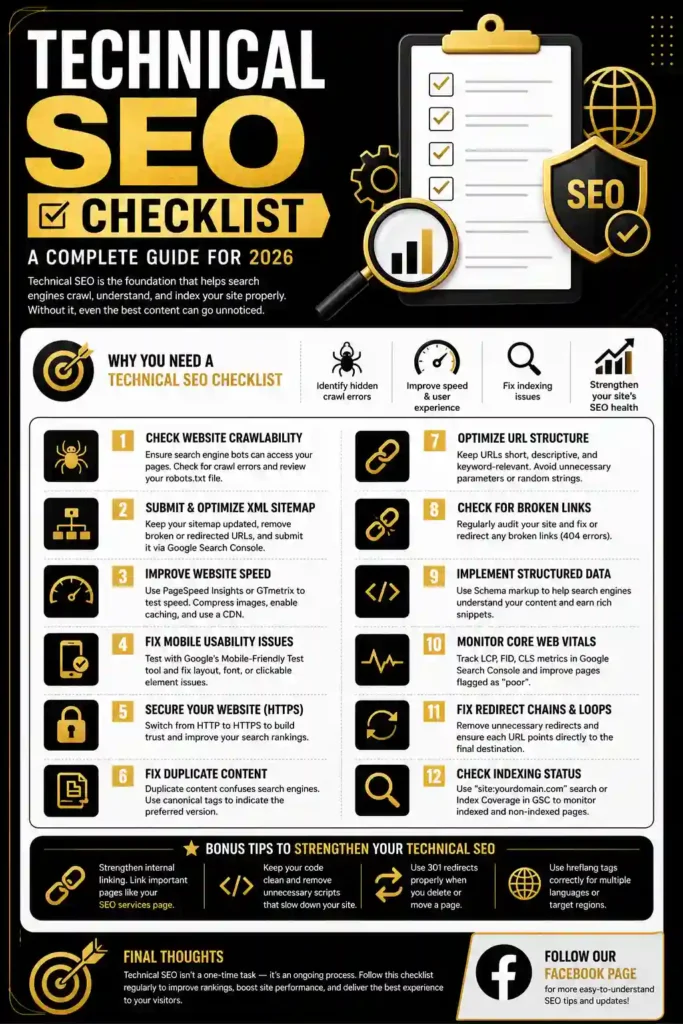
Technical SEO Checklist

The Ultimate Technical SEO Checklist

Here’s a step-by-step breakdown of what you should check regularly.

1. Check Website Crawlability

Make sure search engine bots can actually access your pages. Use Google Search Console to check for crawl errors, and review your robots.txt file to confirm you’re not accidentally blocking important pages.

2. Submit and Optimize Your XML Sitemap

Your sitemap acts like a map for search engines. Keep it updated, remove broken or redirected URLs, and submit it directly through Google Search Console.

3. Improve Website Speed

Page speed is a confirmed ranking factor. Use tools like Google PageSpeed Insights or GTmetrix to test loading time. Compress images, enable browser caching, and consider a content delivery network (CDN) if your traffic is growing.

4. Fix Mobile Usability Issues

With mobile-first indexing, Google primarily looks at the mobile version of your site. Test your pages using Google’s Mobile-Friendly Test tool and fix any layout, font, or clickable element issues.

5. Secure Your Website with HTTPS

If your site still runs on HTTP, it’s time to switch. HTTPS is a trust signal for both users and search engines, and it directly affects rankings.

6. Fix Duplicate Content and Canonical Tags

Duplicate content confuses search engines about which page to rank. Use canonical tags to point search engines to the preferred version of a page.

7. Optimize URL Structure

Keep URLs short, descriptive, and keyword-relevant. Avoid unnecessary parameters or random strings that make your links look messy.

8. Check for Broken Links (404 Errors)

Broken links hurt both user experience and crawl efficiency. Regularly audit your site using tools like Screaming Frog or Ahrefs, and fix or redirect any dead links.

9. Implement Structured Data (Schema Markup)

Schema markup helps search engines understand your content better and can improve your chances of getting rich snippets in search results — things like star ratings, FAQs, or product info.

10. Monitor Core Web Vitals

Google’s Core Web Vitals measure real-world user experience — loading performance, interactivity, and visual stability. Keep an eye on these metrics inside Google Search Console and fix any pages flagged as “poor.”

11. Fix Redirect Chains and Loops

Multiple redirects slow down page loading and waste crawl budget. Clean up your redirect chains so each URL points directly to its final destination.

12. Check Indexing Status

Use the “site:yourdomain.com” search command or Google Search Console’s Index Coverage report to see which pages are indexed — and which ones might be missing.

Bonus Tips to Strengthen Your Technical SEO

  • Regularly update your internal linking structure so important pages get more visibility. For example, linking to a well-optimized page like your SEO services page helps distribute authority across your site.
  • Keep your website’s code clean and avoid unnecessary scripts that slow down rendering.
  • Set up 301 redirects properly whenever you delete or move a page.
  • Use hreflang tags correctly if your site targets multiple languages or countries.

Final Thoughts

Technical SEO isn’t a one-time task — it’s an ongoing process. Search engines keep updating their algorithms, and your website needs to keep up. By following this technical seo checklist regularly, you’ll not only improve your search rankings but also create a smoother, faster, and more trustworthy experience for your visitors.

Start small — fix your site speed, clean up broken links, and secure your site with HTTPS. Once the basics are solid, move on to advanced steps like schema markup and Core Web Vitals optimization.

If you found this checklist helpful, feel free to follow our Facebook Page for more easy-to-understand SEO tips and updates. our youtube

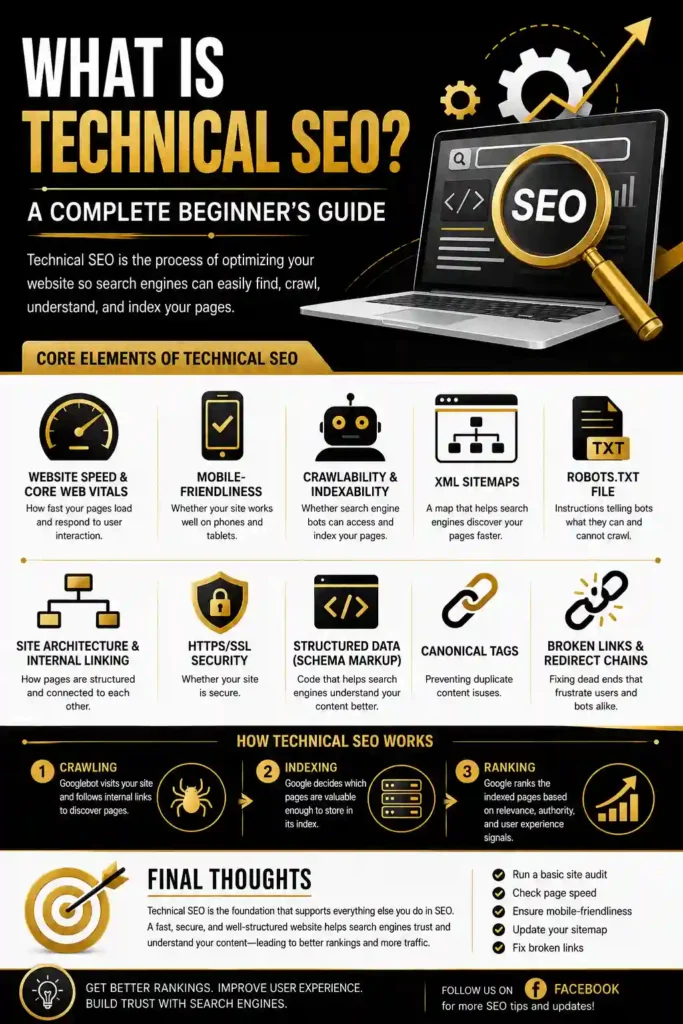
What is Technical SEO | A Complete Beginner’s Guide

What is Technical SEO

If you have ever written an amazing blog post, hit publish, and then waited… and waited… and nothing happened on Google, there is a good chance the problem is not your writing. It is your website’s technical health.

This is where the question comes in: what is technical SEO, and why does it matter so much for your rankings? In this guide, I will break it down in plain, simple language so you can actually understand it and start improving your own site today.

What is Technical SEO | Complete Guide for Beginners

What is Technical SEO?

In the simplest terms, technical SEO is the process of optimizing your website so that search engines like Google can easily find, crawl, understand, and index your pages. It has nothing to do with keywords or content quality directly. Instead, it focuses on the backend structure of your website — the “engine room” that most visitors never see, but that search engines care about a lot.

Think of your website like a shop. Your content (blog posts, product pages, images) is the merchandise on the shelves. But technical SEO is the doors, the lighting, the signboards, and the pathways that let customers (and in this case, Google’s bots) walk in, find what they need, and move around without getting stuck.

If your technical SEO is weak, even the best content in the world may never rank, simply because Google struggles to crawl or understand your site properly.

Some of the core elements that fall under technical SEO include:

  • Website speed and Core Web Vitals – how fast your pages load and respond to user interaction
  • Mobile-friendliness – whether your site works well on phones and tablets
  • Crawlability and indexability – whether search engine bots can access and add your pages to their index
  • XML sitemaps – a map that helps search engines discover your pages faster
  • Robots.txt file – instructions telling bots what they can and cannot crawl
  • Site architecture and internal linking – how pages are structured and connected to each other
  • HTTPS/SSL security – whether your site is secure
  • Structured data (Schema markup) – code that helps search engines understand your content better
  • Canonical tags – preventing duplicate content issues
  • Broken links and redirect chains – fixing dead ends that frustrate users and bots alike

All of these pieces work together quietly in the background, helping search engines trust and understand your website. When you improve these elements, you are directly helping your on-page and off-page SEO efforts perform better too.

If you want to dig deeper into how content and keywords work alongside this, you can check out our detailed guide on Benefits of SEO for Business to see how the two connect.

Why Technical SEO Matters and How It Works

Now that you know the definition, let’s talk about why it actually matters and how it works in practice.

Search engines use automated programs called “crawlers” or “bots” to scan the internet. These bots visit your website, read your pages, follow your links, and then decide whether to add your content to their index — basically Google’s giant library of web pages. If a page is not indexed, it simply cannot appear in search results, no matter how good it is.

This is exactly why what is technical SEO becomes such an important question for site owners, bloggers, and businesses. Without proper technical setup, you could be creating fantastic content that Google never even sees.

Here is how it typically plays out on a real website:

  1. Crawling – Googlebot visits your site and follows internal links to discover pages.
  2. Indexing – Google decides which pages are valuable enough to store in its index.
  3. Ranking – Google ranks the indexed pages based on relevance, authority, and user experience signals.

If your site has slow loading speed, broken links, duplicate content, or a confusing structure, it creates friction at every one of these steps. A slow site frustrates both users and crawlers. A messy sitemap confuses bots about what pages matter most. Missing HTTPS security can make browsers show warning signs to visitors, hurting your credibility.

On the other hand, a technically sound website loads quickly, is easy to navigate, works well on mobile, and gives clear signals to search engines about its structure and content. This builds trust, and trust leads to better rankings over time.

Another often overlooked part of technical SEO is internal linking. When you link relevant pages together — like connecting this article to a guide on Importance of SEO for Business

 — you help both users and search engines understand the relationship between your content. It spreads “link equity” across your site and keeps visitors engaged longer, which are both positive ranking signals.

Technical SEO also supports your other marketing efforts. For example, if you are sharing your blog posts on social platforms, a technically optimized website with fast loading speed and proper meta tags will look more professional and get better engagement. If you want more SEO tips and updates like this, feel free to follow our page on Facebook where we share regular content.

Final Thoughts

So, to sum it up simply: technical SEO is the foundation that supports everything else you do in search engine optimization. You can have brilliant content, strong backlinks, and perfect keyword targeting, but if your website is slow, broken, or hard to crawl, none of that will matter much.

Start by running a basic site audit — check your page speed, confirm your site is mobile-friendly, make sure you have an updated sitemap, and fix any broken links you find. These small steps can make a big difference in how search engines see and rank your website.

Technical SEO might sound intimidating at first, but once you understand the basics, it becomes a lot more manageable — and honestly, kind of satisfying once you see your rankings start to improve.

Best SEO Tools for Beginners | A Simple Guide to Get You Started

Best SEO Tools for Beginners

If you’re just stepping into the world of search engine optimization, you’ve probably noticed one thing pretty quickly — there are hundreds of tools out there, and it’s easy to feel overwhelmed. Which ones actually matter? Which ones are a waste of time and money? And more importantly, which ones will actually help you rank higher on Google without needing a computer science degree to understand them?

That’s exactly what we’re going to break down today. Whether you’re running a small blog, managing a local business website, or just starting your journey as a freelance SEO, this guide will walk you through the tools that genuinely make a difference when you’re starting out.

SEO tools for small busines

Best SEO Tools for Beginners

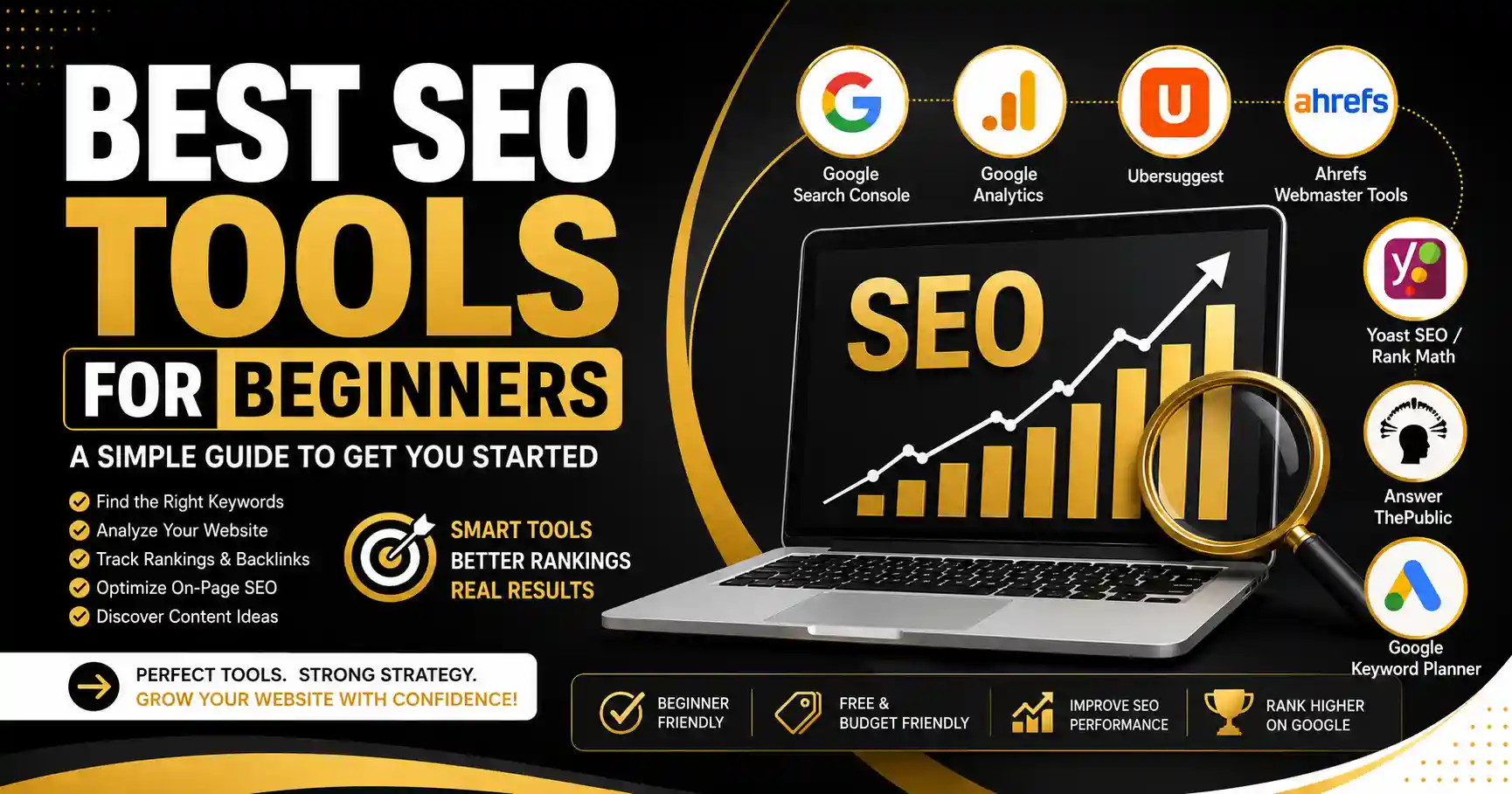
Let’s get straight to it. Below are some of the most beginner-friendly, budget-conscious, and genuinely useful SEO tools available right now. Each one plays a different role in your SEO journey, so you don’t need to use all of them at once — start with what solves your biggest problem first.

1. Google Search Console This one is non-negotiable, and the best part is it’s completely free. Google Search Console tells you exactly how your website is performing in search results — which keywords are bringing in traffic, which pages are indexed, and if there are any technical errors hurting your visibility. If you’re serious about learning SEO, this should be the very first tool you set up. It’s also a great way to double-check your progress after you’ve optimized a page — something we cover in more detail in our Benefits of SEO for Business .

2. Google Analytics While Search Console shows you how people find your site, Google Analytics shows you what they do once they get there. Bounce rate, time on page, traffic sources — all of this data helps you understand whether your content is actually working. For beginners, even just checking your top-performing pages once a week can reveal a lot about what your audience wants.

3. Ubersuggest Created by Neil Patel, Ubersuggest is one of the friendliest tools for people who are new to keyword research. You type in a keyword, and it shows you search volume, competition level, and even content ideas based on what’s already ranking. The free version gives you enough to get started, and the interface is simple enough that you won’t feel lost.

4. Ahrefs Webmaster Tools (Free Version) Ahrefs is usually known as a premium, expensive tool — but their free Webmaster Tools version is a hidden gem for beginners. It lets you check backlinks, site health, and organic keywords for your own website at no cost. This is especially useful once you start building backlinks and want to track your progress over time.

5. Yoast SEO / Rank Math If your website runs on WordPress, these plugins are practically essential. They guide you through on-page SEO in real time — checking your keyword usage, meta description length, readability, and internal linking as you write. For someone just starting out, having this kind of instant feedback is incredibly valuable because it teaches good habits from day one.

6. AnswerThePublic Content ideas are often the hardest part of SEO, especially when you’re new. AnswerThePublic pulls real questions people are typing into search engines around your topic, giving you a visual map of content ideas. It’s a great way to find long-tail keywords that are easier to rank for as a beginner.

7. Google Keyword Planner Originally built for Google Ads, this tool is still widely used for organic keyword research because the data comes directly from Google itself. It’s a little less beginner-friendly in terms of interface, but once you get comfortable with it, it becomes one of the most reliable sources of keyword data available.

How to Choose the Right Tool When You’re Just Starting Out

With so many options, it’s tempting to try and use everything at once — but that usually leads to burnout before you even see results. Instead, here’s a simple approach:

  • Start with free tools. Google Search Console and Google Analytics should be installed on day one. They’re free, official, and give you the most accurate data about your own site.
  • Add one keyword research tool. Pick either Ubersuggest or Google Keyword Planner and stick with it for a few months. Switching tools too often just creates confusion.
  • Use an on-page plugin if you’re on WordPress. Yoast or Rank Math will save you hours of manual checking and help you build consistent SEO habits.
  • Track backlinks once you start outreach. Ahrefs Webmaster Tools is more than enough for a beginner who isn’t running large-scale link building campaigns yet.

One more thing worth mentioning: tools are only as good as the strategy behind them. A keyword tool won’t magically rank your page — you still need quality content, proper structure, and patience. If you haven’t already, it’s worth reading our beginner’s roadmap to learning SEO step by step before diving too deep into tool comparisons.

Final Thoughts

SEO can feel like a maze when you’re just getting started, but the right tools make the path a lot clearer. You don’t need an expensive toolkit to see real progress — Google’s own free tools, paired with one or two beginner-friendly platforms like Ubersuggest or Rank Math, are more than enough to get you moving in the right direction.

The key is consistency. Check your data regularly, adjust your content based on what’s actually working, and don’t be afraid to experiment. SEO rewards patience far more than perfection.

If you found this guide helpful and want more beginner-friendly SEO tips, feel free to follow and connect with us on our Facebook Page — we regularly share updates, tool recommendations, and simple SEO tips for people just starting out.

Got questions about any of these tools? Drop a comment below and let us know which one you’re planning to try first.

SEO for Small Business | The Smartest Investment You Can Make Today

SEO for Small Business

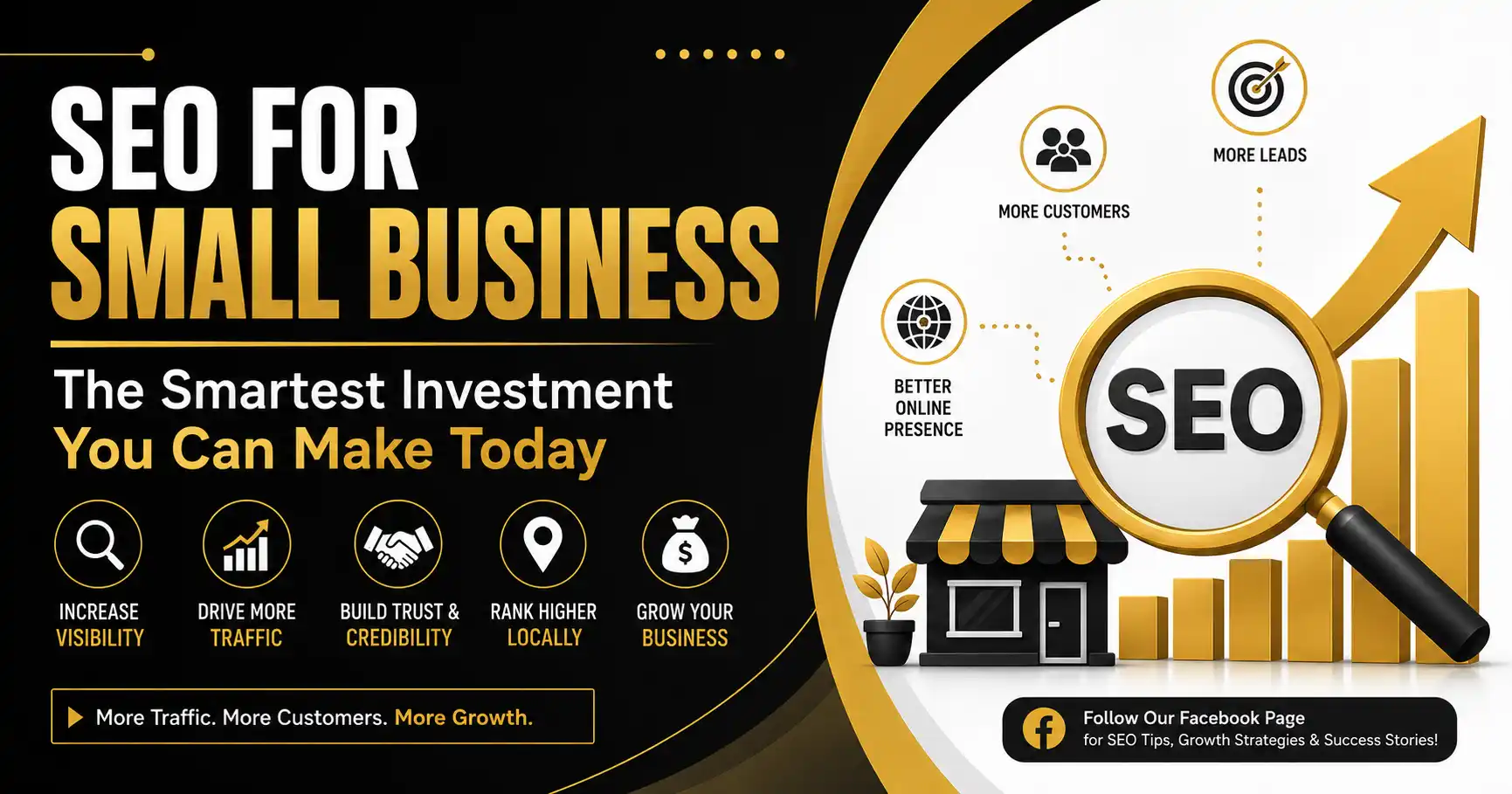
Running a small business is already a full-time job. Between managing customers, handling operations, and keeping up with day-to-day tasks, marketing often takes a back seat. But here’s the thing — if your potential customers can’t find you online, all that hard work stays invisible to the people who need your services the most. That’s exactly why SEO for small business has become one of the most talked-about growth strategies in recent years. It doesn’t require a massive budget or a big team. What it requires is a clear strategy, a bit of consistency, and the right understanding of how search engines work.

This article breaks down why SEO matters so much for small businesses, how it helps you compete with larger brands, and what you can do to start seeing real results.

small business SEO strategy

Why Small Businesses Need SEO More Than Ever

Large corporations spend millions on advertising because they can afford to. Small businesses can’t always compete on budget — but with SEO, they don’t have to. SEO puts small businesses on a level playing field by rewarding relevance, quality, and consistency over raw spending power.

Here’s what that looks like in practice. When someone in your city searches for a service you offer — say, “best bakery near me” or “affordable web designer in Dhaka” — search engines look for the most relevant, trustworthy result. If your website is well-optimized, you can appear right alongside or even above bigger competitors who haven’t invested in SEO. That visibility is incredibly valuable, especially for a small business trying to grow without a massive ad budget.

Beyond visibility, SEO builds something that paid ads simply can’t — long-term credibility. When customers repeatedly see your business appearing naturally in search results, they begin to associate your brand with authority and reliability. This trust is often what converts a first-time visitor into a loyal, returning customer.

Local SEO is particularly powerful for small businesses. Most small businesses serve a specific area, and local search optimization ensures you show up when nearby customers are actively looking for what you offer. A well-optimized Google Business Profile, combined with locally relevant content on your website, can drive consistent foot traffic and phone inquiries without spending a single rupee on ads.

The other major advantage is sustainability. A blog post you write today, a service page you optimize this week, or a customer review you respond to thoughtfully — all of these contribute to your website’s authority over time. Unlike ads that disappear the moment you stop paying, SEO efforts compound. Every improvement you make adds to a growing foundation that continues generating traffic and leads long into the future.

To understand how to find the right search terms for your business, our Benefits of SEO for Business walks you through the entire process step by step.

SEO for Small Business: Where to Start and What Actually Works

Knowing that SEO is important is one thing — knowing where to actually begin is where many small business owners get stuck. The good news is, you don’t need to do everything at once. Starting with a few core areas and building from there is both practical and effective.

Start with your website basics. Make sure your website loads quickly, looks good on mobile devices, and is easy to navigate. These technical factors affect not only how search engines rank you but also how long visitors stay on your site. A slow, confusing website loses customers before they even get a chance to read what you offer.

Optimize your key pages. Your homepage, about page, and main service or product pages should clearly describe what you do, who you serve, and where you’re located. Use natural language that your customers actually use when searching. Avoid stuffing pages with keywords — write for people first and search engines second.

Create helpful content consistently. A simple blog where you answer common customer questions is one of the most effective SEO strategies for small businesses. It positions you as an expert, attracts organic traffic, and gives search engines fresh content to index regularly.

Build your local presence. Claim your Google Business Profile, ensure your business name, address, and phone number are consistent across all online directories, and actively encourage happy customers to leave reviews. These small steps have an outsized impact on local search visibility.

Get backlinks from trusted sources. When other reputable websites link to yours, it signals to search engines that your business is credible. You can earn backlinks by getting listed in local directories, partnering with complementary businesses, or creating content that others genuinely want to share.

Track your progress. Use free tools like Google Search Console and Google Analytics to monitor which pages are bringing in traffic, what keywords people use to find you, and where visitors drop off. This data takes the guesswork out of your strategy and helps you focus on what’s actually working.

For a full breakdown of on-page optimization techniques every small business should know, check out our What is Search Engine Optimization  it’s designed specifically for businesses just getting started.

Final Thoughts

SEO for small business isn’t about overnight success — it’s about building something that grows stronger with every passing month. The businesses that commit to it consistently are the ones that eventually dominate their local market and attract a steady stream of organic customers without relying on expensive ads.

You don’t need a big agency or a huge budget. You need clarity, consistency, and a willingness to keep improving. Start small, stay focused, and let the results build over time.

Follow our Facebook Page for practical SEO tips, small business growth strategies, and real success stories shared every week.

Why SEO Is Important for Real Estate Business | A Complete Guide

Why SEO Is Important for Real Estate Business

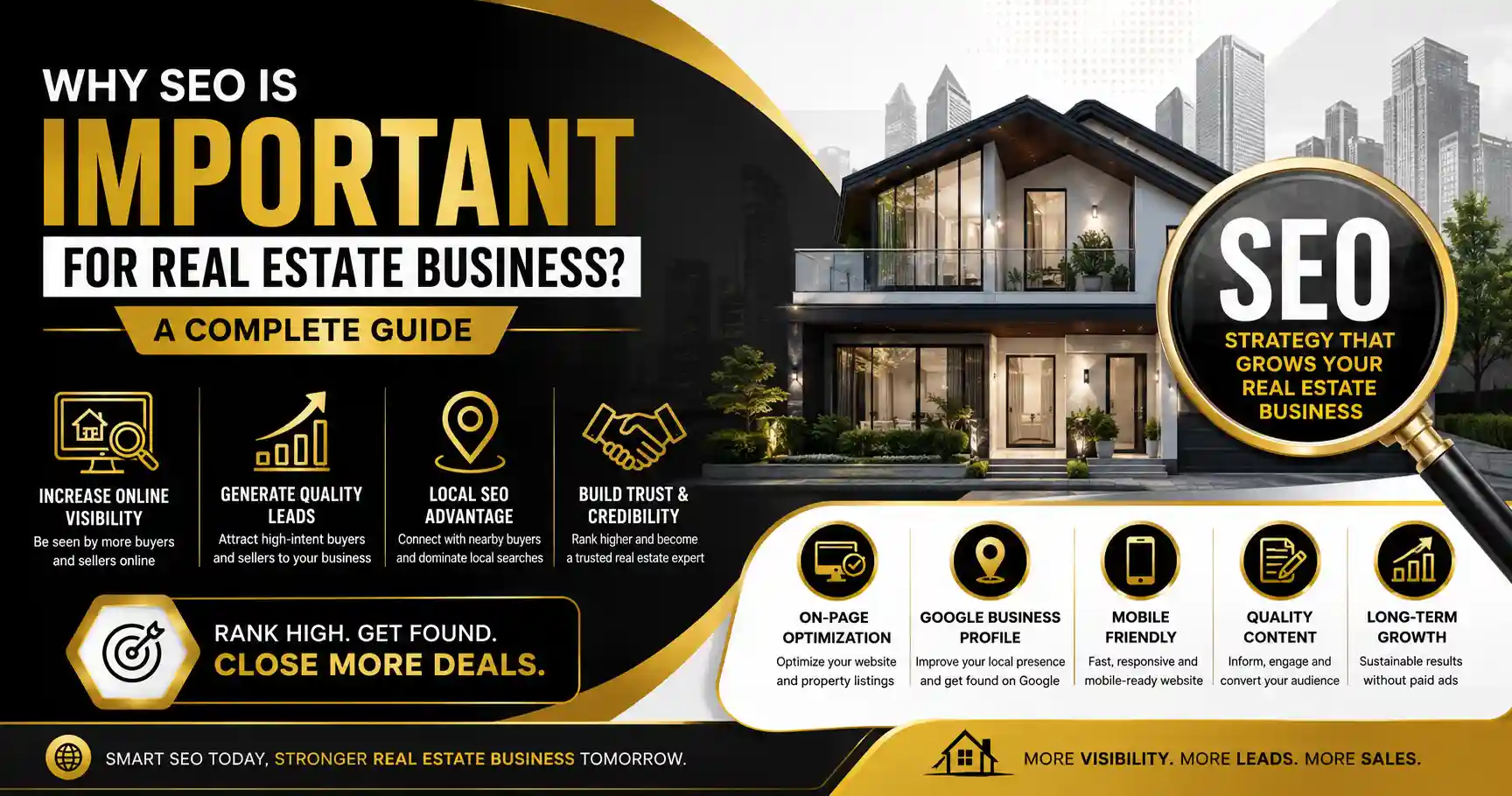
The real estate industry has changed dramatically over the last decade. Buyers and sellers no longer rely solely on newspaper listings or walk-in visits they start their journey with a simple Google search. If your real estate business isn’t visible in those search results, you’re losing potential clients to competitors who are. This is exactly where SEO (Search Engine Optimization) becomes a game-changer.

In this article, we’ll break down why SEO matters so much for real estate businesses and how it can directly impact your growth, credibility, and revenue.

What Is SEO in Real Estate?

SEO for real estate means optimizing your website, listings, and online content so that they rank higher on search engines like Google when people search for terms like “homes for sale in [city]” or “best real estate agent near me.” It involves keyword research, on-page optimization, local SEO, content marketing, and technical improvements to your website.

1. Most Home Buyers Start Their Search Online

Today, the vast majority of property buyers begin their home-search journey with an online search engine before ever contacting an agent. If your website doesn’t appear on the first page of results, you’re essentially invisible to a huge portion of potential clients no matter how great your listings are.

2. SEO Builds Long-Term, Cost-Effective Visibility

Unlike paid ads that stop generating traffic the moment you stop paying, SEO delivers long-term, sustainable results. Once your website ranks well for key terms, it continues attracting organic traffic without ongoing ad spend. Over time, this makes SEO one of the most cost-effective marketing strategies for real estate businesses, especially compared to pay-per-click campaigns.

3. Local SEO Connects You with Nearby Buyers and Sellers

Real estate is inherently local. People searching for “apartments for rent in Dhaka” or “3-bedroom houses in [neighborhood]” want hyper-local results. A strong local SEO strategy including Google Business Profile optimization, local keywords, and location-specific landing pages helps you appear in local map packs and location-based searches, putting you directly in front of buyers and sellers in your target area.

4. It Builds Trust and Credibility

Websites that rank at the top of search results are often perceived as more credible and trustworthy by users. Ranking high signals to potential clients that your agency is established, active, and reputable. High-quality, SEO-optimized content such as neighborhood guides, market trend reports, and buyer/seller tips further positions you as an authority in your local market.

5. SEO Generates Higher Quality Leads

SEO doesn’t just bring more traffic it brings the right traffic. People searching for specific, intent-driven terms like “buy condo downtown [city]” are much further along in their decision-making process than someone scrolling social media. These visitors are more likely to convert into actual leads and clients, improving your overall ROI.

6. Mobile and Voice Search Optimization Matters More Than Ever

With more buyers searching for properties on their phones and increasingly through voice assistants having a mobile-friendly, fast-loading, SEO-optimized website is essential. Google prioritizes mobile-first indexing, meaning your site’s mobile performance directly affects your search rankings.

7. SEO Gives You a Competitive Edge

The real estate market is highly competitive. Agencies and agents who invest in SEO gain a significant advantage over those who rely only on traditional marketing or paid ads. Ranking above competitors for valuable keywords means capturing more market share and staying top-of-mind for buyers and sellers in your area.

8. Content Marketing Keeps You Relevant

SEO isn’t just about keywords it’s also about consistently publishing valuable content: blog posts, neighborhood spotlights, market updates, and home-buying guides. This kind of content marketing supports your SEO efforts while keeping your audience engaged and coming back for more information, eventually turning into leads.

Key SEO Strategies Every Real Estate Business Should Use

  • Keyword research: Target location-based and intent-driven keywords (e.g., “buy apartment in [city]”).
  • On-page optimization: Optimize titles, meta descriptions, headers, and images on property listing pages.
  • Local SEO: Claim and optimize your Google Business Profile, gather reviews, and build local citations.
  • Quality backlinks: Get listed on trusted local directories and real estate platforms.
  • Mobile optimization: Ensure fast loading speed and mobile responsiveness.
  • Content creation: Publish blogs, guides, and market reports regularly.
  • Technical SEO: Fix broken links, improve site structure, and use schema markup for property listings.

Final Thoughts

SEO is no longer optional for real estate businesses it’s a necessity. From increasing visibility and generating quality leads to building trust and staying ahead of competitors, a solid SEO strategy can transform how your business attracts and converts clients. Investing time and resources into SEO today means building a sustainable pipeline of buyers and sellers for years to come.

If you’re a real estate agent or agency looking to grow your online presence, now is the time to start optimizing your website and content for search engines — your future clients are already searching for you.

Benefits of SEO for Business | Why Every Company Needs a Strong SEO Strategy

Why SEO Is Important for Real Estate Business

If you ask any successful business owner today what changed the way they get customers, there’s a good chance SEO comes up in the conversation. That’s because the benefits of SEO for business go far beyond just ranking on Google it’s about creating a system that brings in the right customers, builds trust, and keeps your brand visible without constantly spending on ads. Whether you run a small local shop or a growing online store, SEO has quietly become one of the most powerful tools for staying competitive in today’s digital market.

In this article, we’ll break down the real benefits SEO brings to a business, and why ignoring it could mean leaving serious growth opportunities on the table.

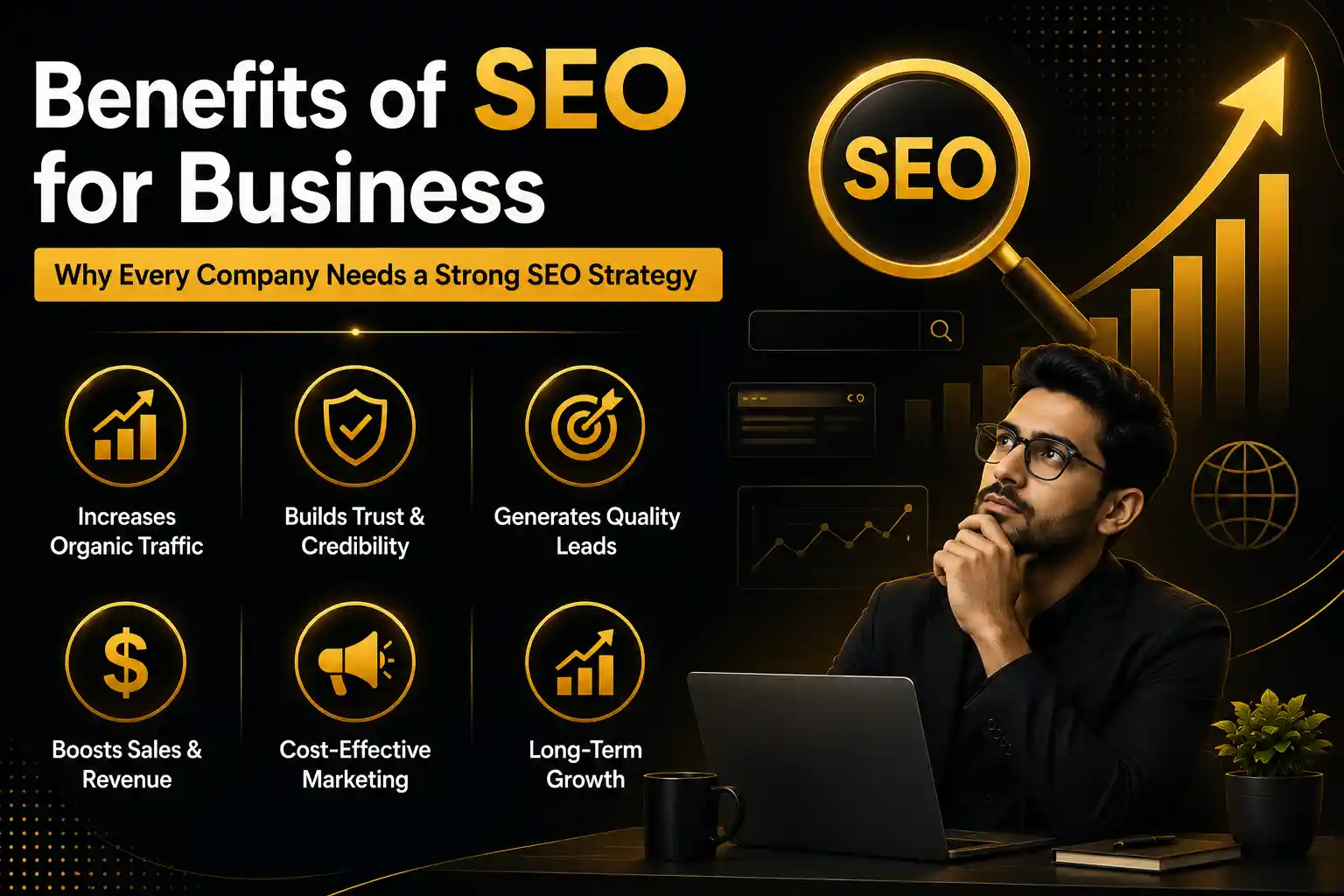
The Core Benefits of SEO Every Business Should Know

SEO isn’t just a marketing tactic it’s a foundation that supports almost every other part of your online presence. Here are the biggest benefits businesses experience once they commit to SEO.

1. Increased organic visibility. The most obvious benefit of SEO is showing up higher on search engines when people look for products or services like yours. Higher visibility means more people discover your business naturally, without you having to pay for every single click.

2. Higher quality traffic. Unlike random visitors from social media or display ads, people who find you through search are usually already looking for a solution. This means the traffic SEO brings is more relevant, more engaged, and far more likely to convert into actual customers.

3. Better return on investment. While paid ads stop generating traffic the moment you stop paying, SEO continues working long after the initial effort. A well-optimized page can keep bringing in visitors for months or even years, making SEO one of the most cost-effective long-term marketing strategies available.

4. Stronger brand credibility. Most people trust organic search results more than ads. When your website consistently appears at the top of search results, it signals authority and reliability, which naturally builds more trust with potential customers before they even visit your site.

5. Improved user experience. A major part of SEO involves making your website faster, easier to navigate, and mobile-friendly. These improvements don’t just help your rankings they directly improve how visitors experience your brand, which leads to longer visits and better conversion rates.

6. A competitive edge in your industry. If your competitors are investing in SEO and you’re not, they’re capturing customers that could have been yours. Strong SEO allows even smaller businesses to compete with bigger players by focusing on quality content and relevant keywords instead of advertising budgets.

If you’re new to this, our SEO fundamentals guide breaks down exactly where to start and how to build a strategy step by step.

How These Benefits Translate Into Real Business Results

Understanding the benefits is one thing, but seeing how they actually impact your business is what makes SEO worth the investment. Let’s connect the dots.

More visibility leads to more leads. When your business appears for multiple relevant searches, you’re constantly putting your brand in front of potential customers. Over time, this consistent exposure naturally increases the number of leads flowing into your sales pipeline.

Trust leads to higher conversion rates. Customers who find you through organic search already see your brand as credible before they even interact with you. This pre-existing trust often results in higher conversion rates compared to traffic from cold outreach or unfamiliar ads.

Cost savings support long-term scaling. Since SEO doesn’t rely on continuous ad spend, the money you save can be reinvested into other areas of your business — whether that’s product development, customer service, or expanding your team. This makes SEO not just a marketing channel, but a smart financial decision.

Better user experience increases customer retention. A website that’s fast, easy to use, and informative doesn’t just attract new visitors — it keeps them coming back. Many of the technical improvements made for SEO purposes also directly improve customer satisfaction and repeat business.

Local SEO drives immediate, real-world results. For businesses serving specific areas, optimizing for local search terms helps attract nearby customers who are ready to visit or make a purchase right away. This is especially valuable for restaurants, clinics, salons, and other location-based businesses.

SEO supports every other marketing channel. A well-optimized website strengthens the results of your social media campaigns, email marketing, and paid advertising by giving you a strong, trustworthy destination to send traffic to. Without solid SEO, even your best marketing efforts may underperform.

To get more value from your content, check out our content optimization tips they pair perfectly with SEO to maximize the benefits covered above.

Final Thoughts

The benefits of SEO for business are too significant to ignore in today’s competitive market. From increased visibility and better traffic quality to long-term cost savings and stronger brand trust, SEO touches almost every part of how a business grows online.

If you haven’t started optimizing your website yet, now is the right time. Even small, consistent improvements can lead to noticeable results over time, setting your business up for sustainable growth instead of short-term spikes that disappear once the ad budget runs out.

It’s also worth remembering that SEO is measurable. With the right tracking in place, you can see exactly which keywords bring in traffic, which pages convert best, and where visitors lose interest. That kind of data lets you refine your strategy with confidence instead of guessing what’s working.

Want more practical SEO tips and real business insights? Follow our Facebook Page for weekly updates designed to help your business grow online.

How SEO Helps Business Growth: A Complete Breakdown for Modern Businesses

how SEO helps business growth

Every business owner wants the same thing more customers, more sales, and steady growth. But in today’s digital-first world, growth doesn’t come from guesswork anymore. It comes from being visible at the exact moment someone searches for what you offer. This is where SEO steps in. Understanding how SEO helps business growth can completely change the way you approach marketing, because SEO isn’t just about ranking on Google it’s about building a system that brings in customers consistently, month after month, without you having to chase them down.

In this article, we’ll walk through exactly how SEO contributes to real, measurable business growth, and what you can do to start using it effectively.

The Direct Ways SEO Fuels Business Growth

SEO works quietly in the background, but its impact on growth is anything but small. Here’s how it actually moves the needle for businesses of all sizes.

1. It increases qualified traffic. SEO doesn’t just bring random visitors to your website it brings people who are actively searching for products or services like yours. That means the traffic you get is already interested, which naturally leads to higher conversion rates compared to cold outreach or random ads.

2. It builds long-term brand authority. When your website consistently ranks for relevant search terms, people start recognizing your brand as a trusted name in your industry. Over time, this authority makes customers more likely to choose you over competitors, even before they fully compare prices or features.

3. It reduces dependency on paid advertising. Paid ads can bring quick results, but the moment you stop paying, the traffic stops too. SEO, on the other hand, keeps working for you long after the initial effort. This makes it one of the most sustainable growth channels for businesses trying to scale without constantly increasing ad budgets.

4. It improves the overall customer journey. Good SEO practices like fast loading speed, clear navigation, and mobile-friendly design — naturally improve user experience. A smoother experience keeps visitors on your site longer, which increases the chances they’ll convert into paying customers.

5. It opens doors to new markets. With the right keyword strategy, businesses can attract customers from new cities, regions, or even countries that they previously had no visibility in. This is especially powerful for businesses planning to expand beyond their local market.

If you want to understand exactly where to start, check out our SEO basics for beginners guide it breaks down the foundational steps every growing business should follow.

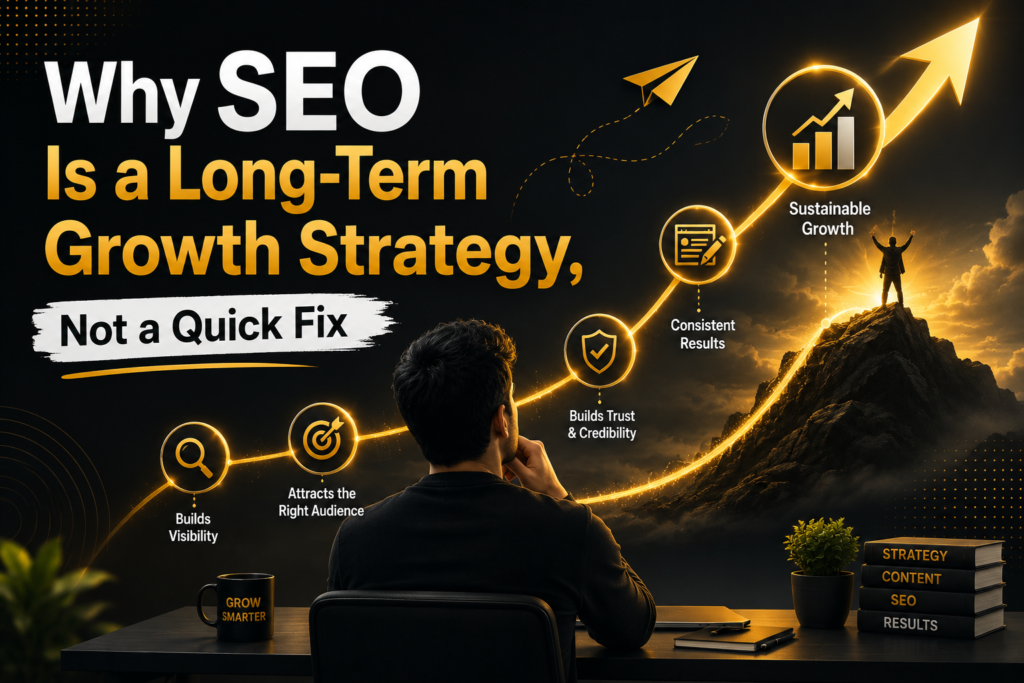
Why SEO Is a Long-Term Growth Strategy, Not a Quick Fix

Why SEO Is a Long-Term Growth Strategy, Not a Quick Fix
How SEO Helps Business Growth: A Complete Breakdown for Modern Businesses

One of the biggest mistakes business owners make is expecting instant results from SEO. The truth is, SEO is a long-term investment, similar to building a reputation in your local community it takes consistent effort, but the payoff is far more stable and rewarding than short-term tactics.

SEO compounds over time. Unlike ads that reset every time your budget runs out, the content and rankings you build through SEO continue working for you. A blog post you publish today could still be bringing in traffic and leads a year from now, without any additional spending.

It builds trust at scale. As your website earns better rankings, backlinks, and positive user engagement, search engines begin to see your business as more credible. This trust translates directly into more clicks, more visits, and ultimately more business growth.

It adapts to changing customer behavior. People’s search habits evolve constantly new questions, new trends, new ways of phrasing what they want. A strong SEO strategy allows your business to stay relevant by continuously aligning your content with what your audience is actually searching for right now.

It supports every stage of the buyer’s journey. From someone just discovering a problem to someone ready to make a purchase, SEO helps your business show up at every stage. This means you’re not just attracting visitors you’re guiding them toward becoming loyal customers.

It gives smaller businesses a fair chance to compete. Unlike paid advertising, where budget often determines visibility, SEO rewards quality, relevance, and consistency. This means even smaller businesses can outrank bigger competitors by simply creating better, more helpful content.

To strengthen your strategy further, take a look at our content marketing tips for business growth it pairs perfectly with SEO to maximize your results.

It strengthens your local presence too. For businesses that depend on nearby customers restaurants, clinics, salons, retail shops local SEO ensures you show up when someone searches “near me” terms. This kind of visibility often leads to immediate foot traffic and faster conversions, since these searchers usually intend to buy or visit right away.

It makes your marketing measurable. One underrated benefit of SEO is the data it provides. You can track exactly which keywords bring in traffic, which pages convert best, and where visitors drop off. This level of insight allows you to refine your strategy continuously, instead of guessing what’s working and what isn’t.

Final Thoughts

SEO isn’t a one-time task you check off a list it’s an ongoing growth engine for your business. From increasing qualified traffic to building long-term trust and reducing dependency on paid ads, the benefits compound the longer you stay consistent.

If you’re serious about growing your business sustainably, now is the right time to invest in SEO. Start small, stay consistent, and track your progress the results will follow.

Want more practical tips on growing your business through SEO? Follow our Facebook Page for weekly insights, case studies, and easy-to-apply strategies.

How SEO Helps Business Growth